Richard Marggraf Turley Home

Category

Literary Criticism

3 articles

The Books We Carry: How Memory Rewrites the Novels We Think We Know

The Books We Carry: How Memory Rewrites the Novels We Think We Know

The novel we remember is rarely the novel we read. Across decades of rereading and reflection, beloved books undergo a quiet, unauthorized revision in our minds—one that reveals as much about the reader as the text itself. This examination of literary misremembering argues that the gap between the book on the shelf and the book in memory is not a failure of attention, but a philosophically rich site of meaning.

Moral Fatigue: Has the Flawed Protagonist Worn Out Its Welcome?

Moral Fatigue: Has the Flawed Protagonist Worn Out Its Welcome?

Contemporary American readers are increasingly voicing frustration with morally ambiguous protagonists, raising urgent questions about whether literary complexity has curdled into formula. This essay examines the cultural conditions that produced reader exhaustion, surveys the novels that genuinely earned their ethical murkiness, and asks what our shifting appetite for fictional virtue reveals about ourselves.

Correspondence as Confession: The Quiet Return of the Letter-Driven Novel in American Fiction

Correspondence as Confession: The Quiet Return of the Letter-Driven Novel in American Fiction

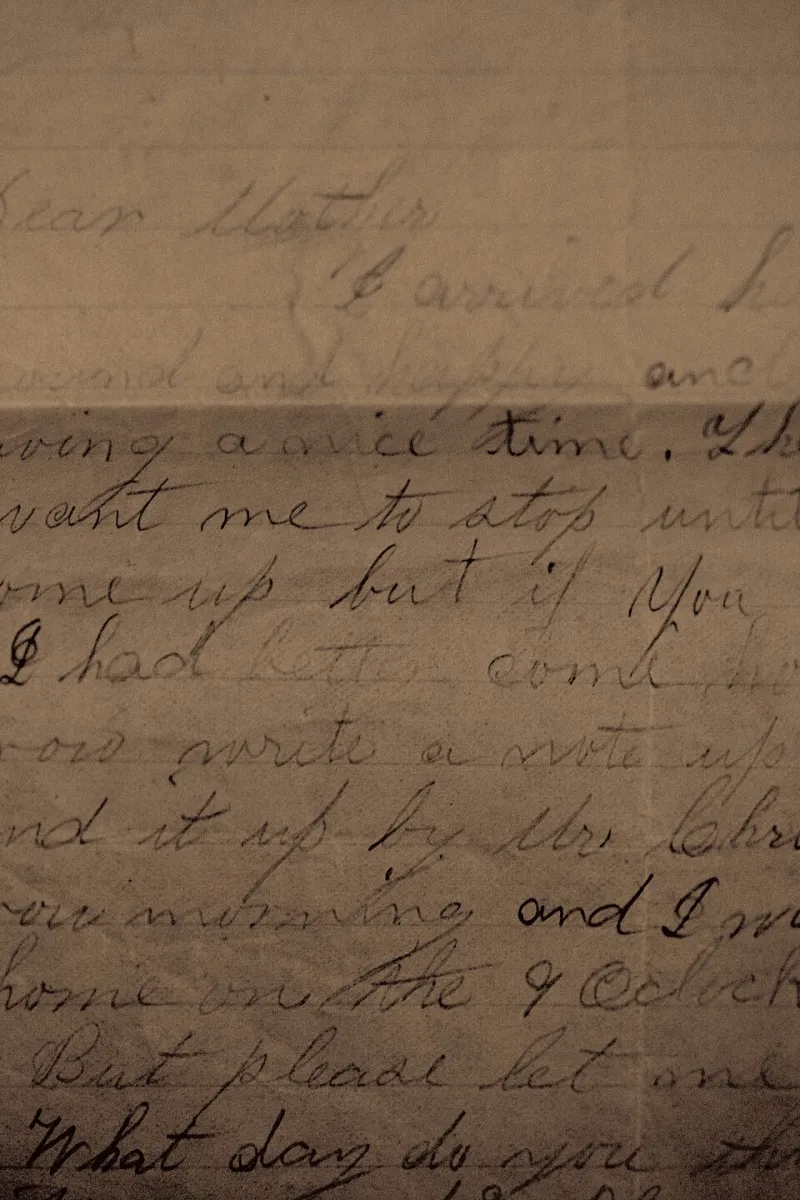
The epistolary novel, long presumed a relic of the eighteenth century, has staged a remarkable return in contemporary American literature. Writers such as Celeste Ng and Rebecca Makkai are deploying letters, emails, and fragmented digital messages to construct narratives of unusual intimacy and psychological depth. This essay examines why the form endures—and what its resurgence tells us about how we communicate, confess, and withhold truth in the digital age.